
As an Amazon Associate, this website earns from qualifying purchases.
When choosing between traditional and experience gifts for an anniversary, it’s important to consider what truly resonates with the couple. Traditional gifts often symbolize milestones and can serve as lasting keepsakes, while experiences foster shared memories that deepen bonds. The decision depends on the couple’s personalities, your budget, and whether the goal is a meaningful object or a memorable adventure. Striking the right balance might be the key, but figuring out which approach fits best can be more nuanced than it seems.
Understanding the Difference Between Traditional and Experience Gifts
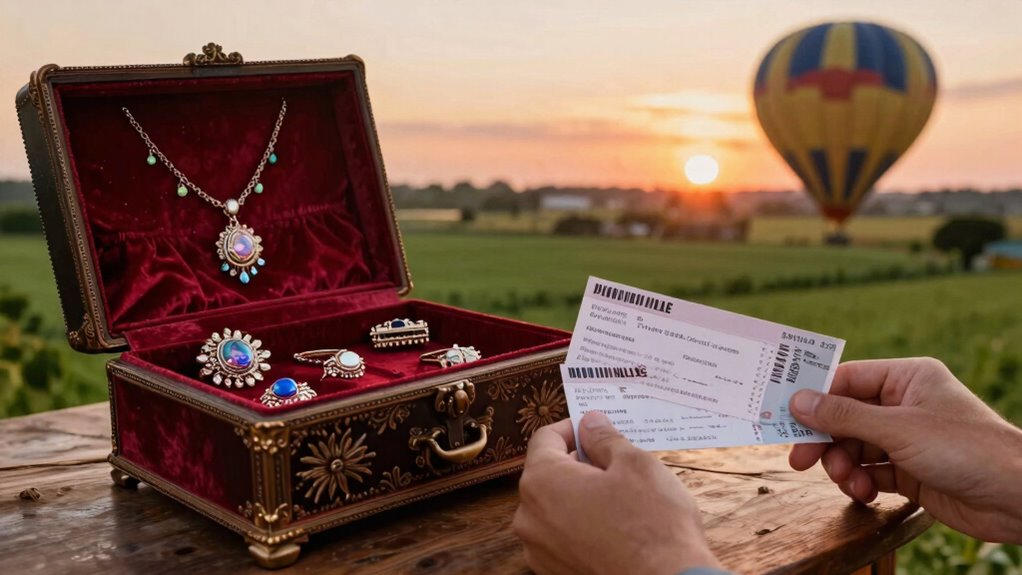
Have you ever wondered what truly sets traditional and experience anniversary gifts apart? The main difference lies in the approach—tradition versus experience. Traditional anniversary gifts follow year-specific themes, like paper for the first or leather for the fifth. They emphasize durable materials, gemstones, or metals that symbolize strength and longevity.
On the other hand, experience gifts focus on creating memories, such as trips or activities that bring joy rather than objects. Both types carry deep symbolism and meaning. Traditional gifts often symbolize stability, while experiences highlight shared moments.
Combining the two can create a personalized celebration, blending meaningful symbols with memorable adventures. Ultimately, understanding these differences helps couples choose gifts that resonate with their values, making each anniversary special and meaningful in its own unique way.
Factors to Consider When Deciding Which Gift Type Fits Your Anniversary
Deciding between a traditional or experience gift for an anniversary can feel like choosing between a keepsake and a memory, both meaningful but suited to different preferences and circumstances. When considering experiences, they offer memorable moments that can create lasting bonds. These often surpass physical items, which may clutter or lose value over time.
Traditional gifts, on the other hand, follow year-specific themes and emphasize enduring materials like paper, wood, or crystal, adding symbolic meaning. Practical factors also matter, such as budget, delivery timing, and whether the gift should provide ongoing value through memberships or future events.
Ultimately, understanding whether the recipient values tangible symbols or shared moments will guide the decision. A thoughtful mix of both can often strike the perfect balance, blending tradition with personal experience.
How to Evaluate the Recipient’s Preferences and Lifestyle for the Perfect Choice

| Aspect | Consideration |
|---|---|
| Interests & Hobbies | Observe if they prefer outdoor activities, arts, or reading, guiding whether experiential gifting or traditional items fit best. |
| Travel & Time | Check their travel habits and schedule. Busy travelers might prefer digital vouchers or last-minute options. |
| Shared Moments | Prioritize experiences that foster connection, like cooking classes or weekend getaways. Emphasize anniversary symbolism. |
| Practical Constraints | Consider budget, distance, and delivery speed to ensure the gift is enjoyable and timely. |
| Personal Preferences | Understand if they favor meaningful keepsakes or memorable activities. Balance personal tastes with thoughtful gift choices. |
Understanding recipient preferences and lifestyle helps tailor gifts to their interests, making the anniversary truly special.
Matching Gift Types to Special Occasions and Relationship Stages
Matching gift types to special occasions and relationship stages involves a thoughtful balance between tradition and personalization. Experiential gifts, such as cooking classes or mystery picnic adventures, are perfect for milestone moments because they create lasting memories. Traditional symbolism, like paper for a first anniversary or leather for three years, helps celebrate the specific relationship stage, adding meaningful context.
For long-distance couples or those on a budget, experiential options like digital vouchers or memberships offer flexibility and reduce shipping worries. Hybrid approaches combine traditional symbols with modern experiences, such as pairing a paper keepsake with a concert or a leather passport cover with a travel adventure. Ultimately, choosing the right gift depends on the recipient’s interests and the couple’s stage, making the gesture both thoughtful and fitting for their evolving relationship.
Practical Tips for Combining Tradition and Experience for a Memorable Anniversary
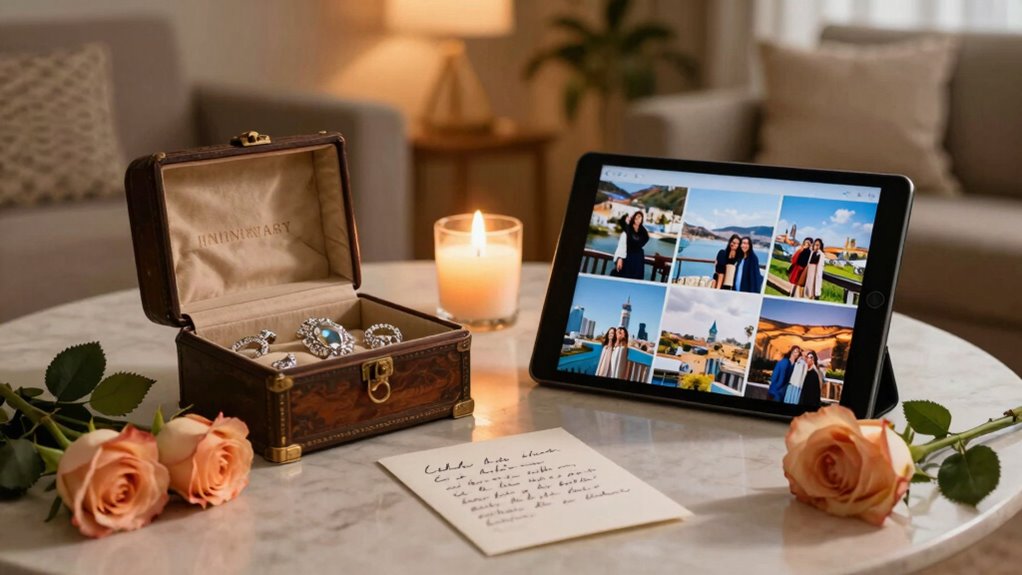
Ever wondered how to make an anniversary gift truly memorable by blending tradition with personal experiences? One effective approach is combining traditional symbols, like gemstones or metals, with experiential gifts such as date nights, classes, or weekend getaways. This creates a balance between tradition versus experience, honoring milestone themes while fostering lasting memories.
Start with a practical plan by assigning a similar budget to both elements, ensuring they complement each other. Clearly explain the value of experiences to the recipient, highlighting how they generate meaningful moments and reduce clutter. To extend the impact, consider choosing formats that continue over time, like annual memberships or multi-event experiences.
This thoughtful combination offers a heartfelt way to celebrate milestones and nurture ongoing connection.
Making the Final Decision: Is a Traditional or Experience Gift the Better Choice?

Deciding between a traditional or experience-based anniversary gift often depends on understanding what the recipient values most—tangible keepsakes or meaningful memories. When making the anniversary gifting decision, it helps to picture:
- Holding a delicate paper memento that symbolizes new beginnings.
- Sharing a laughter-filled day during a fun adventure.
- Combining both with hybrid experiential keepsakes, like a leather photo album of shared moments.
Explaining how experience gifts create long-lasting memories that deepen bonds can also guide your choice.
Choosing between traditional versus experiential gifts can feel tricky, but considering what resonates more—physical symbols or unforgettable experiences—guides the way. Ultimately, blending both can offer the best of both worlds, making the celebration memorable and heartfelt.