
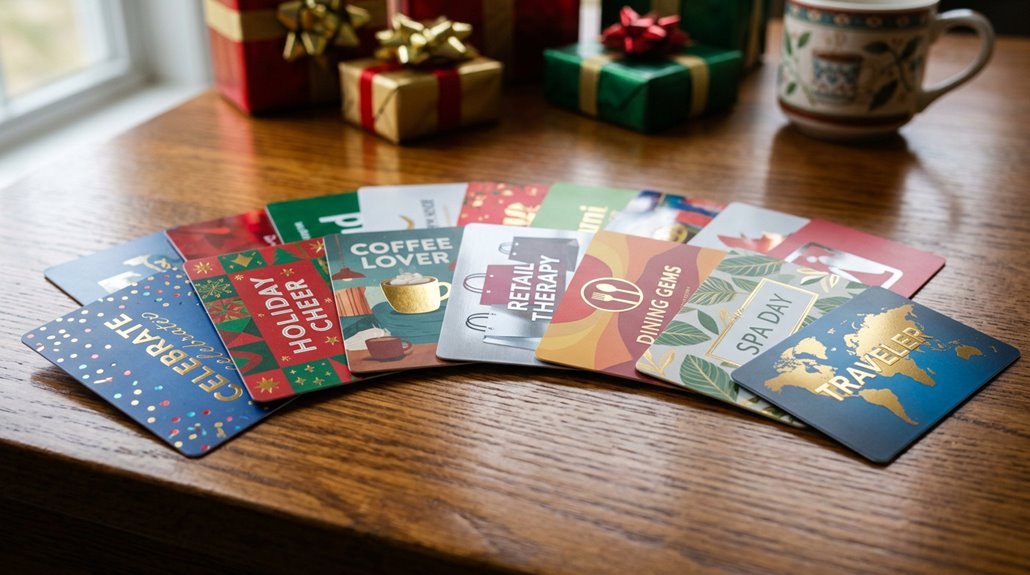
Gift cards can be a practical choice for giving, offering flexibility and convenience. They’re especially useful when unsure of a recipient’s exact tastes or preferences. But choosing the right one involves more than just picking a store; it’s about understanding their habits, setting a budget, and to consider whether an e-gift or physical card suits the occasion. Making thoughtful decisions can turn a simple card into a meaningful gift—yet, there’s more to consider before making that purchase.
Why Gift Cards Can Be a Practical Gift Choice
Have you ever wondered why gift cards are often considered a practical choice for giving someone a present?
Their practicality lies in offering a clear spending limit that aligns with the recipient’s budget. This helps prevent overspending while still providing a meaningful gift.
Gift cards are especially handy when the recipient already has what they need or prefers choosing from familiar brands and services. E-gift cards boost convenience; they arrive quickly, reduce the risk of loss, and can be stored easily on a phone. A well-selected gift card can even cover the full cost of an item or service, making it more useful and satisfying. Plus, pairing it with a personal touch, like a handwritten note, makes the gift feel thoughtful and practical simultaneously.
How to Set a Budget for Your Gift Card
Deciding on a gift card budget might seem simple, but it’s an important step to guarantee the gift feels thoughtful without stretching beyond one’s means. Setting a clear limit helps match the gift to both your finances and the recipient’s needs. For example, when choosing gift cards for teens, consider their preferences, like a Tillys gift card for fashion lovers or an Ulta gift card for beauty enthusiasts.
Choose an amount that is meaningful yet practical, covering at least one full item or service. Think about the occasion and your relationship; more personal ties might justify a slightly higher budget. Prioritize a denomination that maximizes usefulness, preventing the need for additional gifts or money.
Tips for Personalizing Your Gift Card to Make It Special
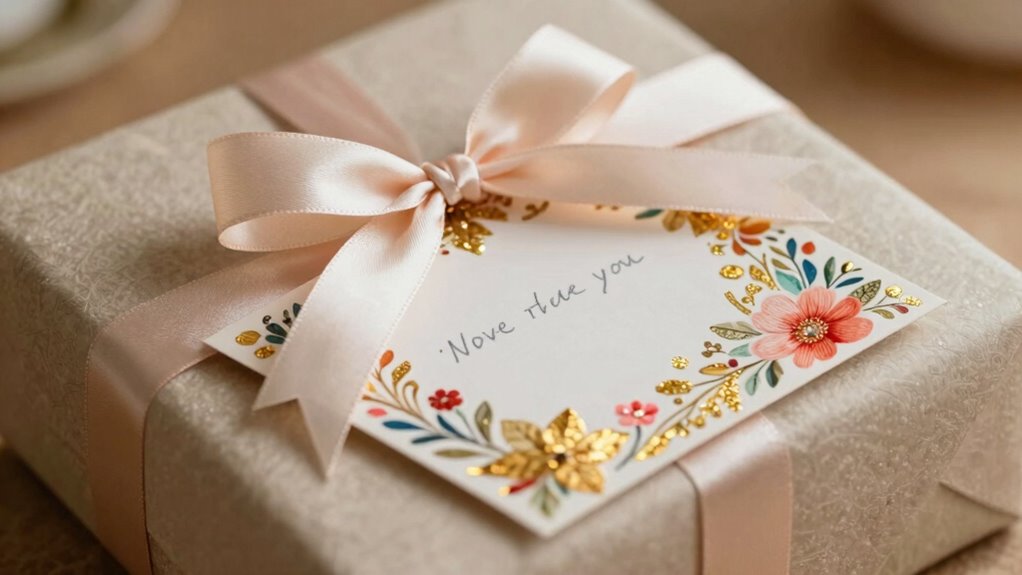
What makes a gift card truly special often comes down to the personal touches added to its presentation and selection. Choosing a store, restaurant, or service that the recipient loves shows thoughtfulness and effort. Including a handwritten note explaining why you picked that particular card adds a meaningful touch—it’s a simple way to express your care.
Presenting the card creatively, such as in a small box or decorative envelope, can make opening the gift more exciting. Customization options, like selecting different designs or adding a heartfelt message, further personalize the gift. These small details turn an ordinary gift card into a thoughtful gesture, showing the recipient that you put effort into making their gift unique and memorable.
Choosing the Right Store or Service for Your Recipient
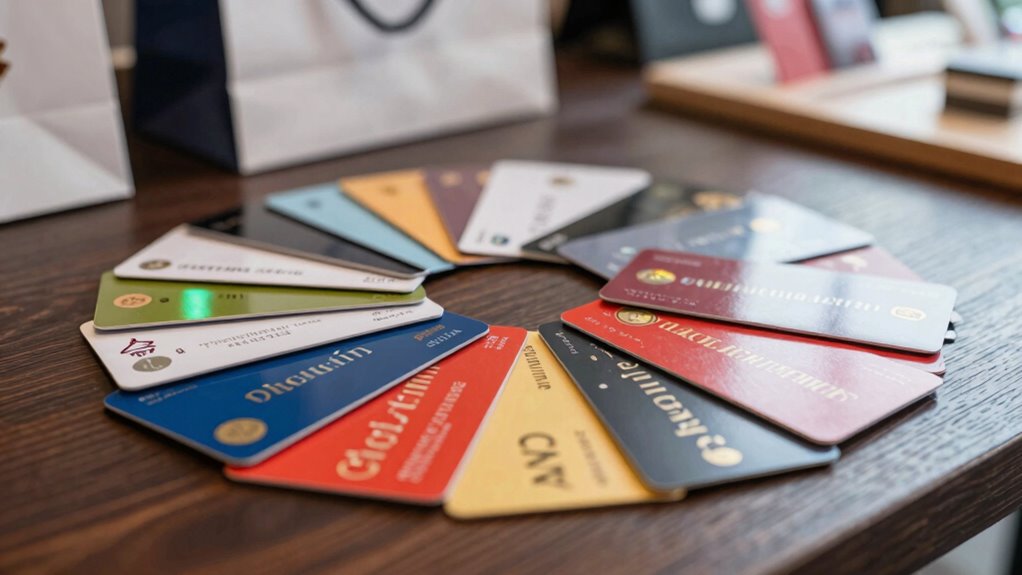
Choosing the right store or service for a gift card often hinges on understanding the recipient’s preferences and daily habits. Knowing what they enjoy or need shows thoughtfulness and makes the gift more meaningful. For example, selecting a favorite restaurant or a store they frequent makes the gift practical and appreciated. It’s helpful to personalize the card by adding a handwritten note explaining why you chose it. Presentation matters too—consider placing the card in a small box or with a related item, like chocolates or a mug.
To boost the impact, choose a store or service that aligns with their usual spending habits, ensuring the gift feels relevant and useful. This thoughtful approach not only shows you care but also increases the chances your gift will be enjoyed.
How Much Should You Spend on a Gift Card for Different Occasions?
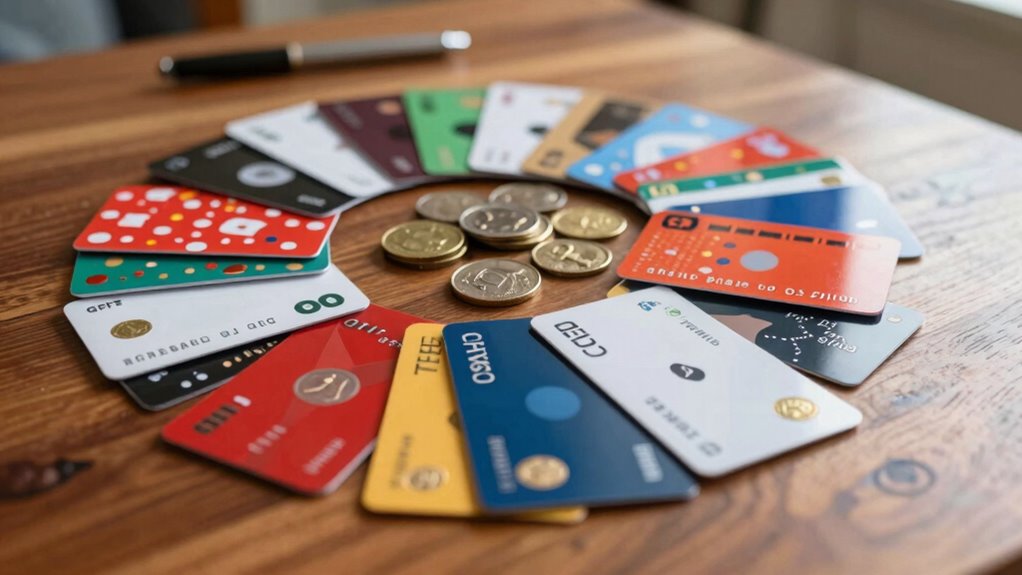
Have you ever wondered how much money is appropriate to put on a gift card for different occasions? The amount varies based on the event and your relationship. For colleagues or teachers, smaller amounts—around $10 to $25—are thoughtful without being overwhelming.
Birthdays, anniversaries, or weddings often call for larger sums, like $50 to $100, to make a meaningful impact. Holidays might involve multiple smaller gifts, each valued around $10 to $30, to spread the cheer. When deciding, consider your bond and past gifts; sometimes, a little extra shows extra appreciation. Here’s a quick guide:
| Occasion | Typical Amount | Notes |
|---|---|---|
| Coworkers/Teachers | $10 to $25 | Keeps it friendly and respectful |
| Birthdays | $50 to $100 | Celebrates the special day |
| Weddings | $75 to $150 | Reflects the significance of the event |
| Anniversaries | $50 to $100 | Personal touch for loved ones |
| Holidays | $10 to $30 each | Multiple gifts spread out |
When Are Gift Cards the Best Gift Option?
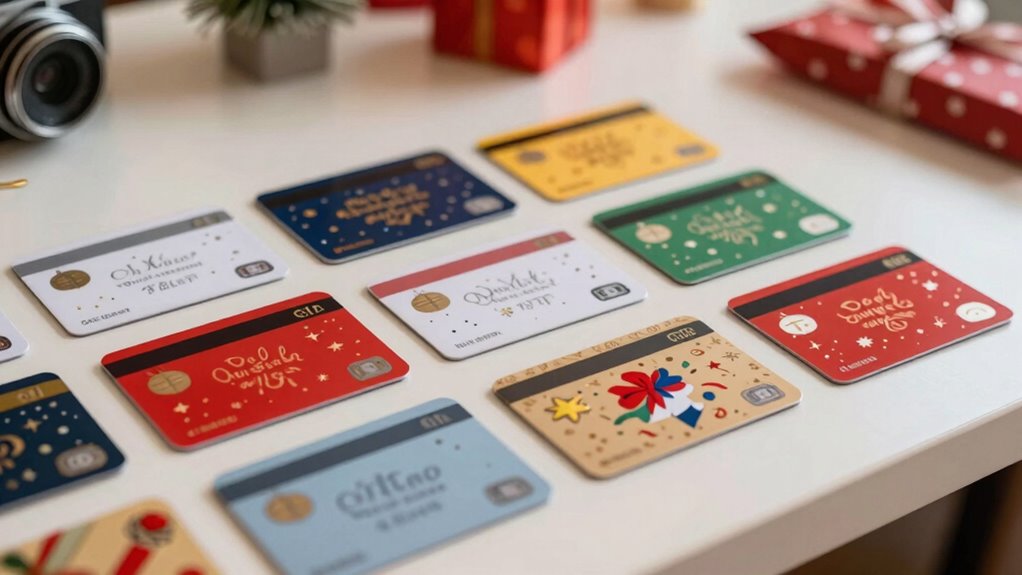
Sometimes, choosing a gift can feel tricky, especially when trying to find something that fits just right. Gift cards shine in these moments, offering flexibility and practicality. They’re perfect when the recipient already has what they need or when budgets matter, providing a thoughtful yet simple option. They work well for colleagues or teachers as a small gesture of appreciation, with a lower expected value for casual occasions.
E-gift cards are especially useful for distant friends or family since they arrive quickly, are stored easily on a phone, and reduce the risk of loss. Plus, when you’re unsure of someone’s preferences, gift cards in physical or digital form let the recipient choose something they really want. Adding a small gift like chocolates can make it even more personal.
What Are Important Terms and Conditions to Check Before Buying?
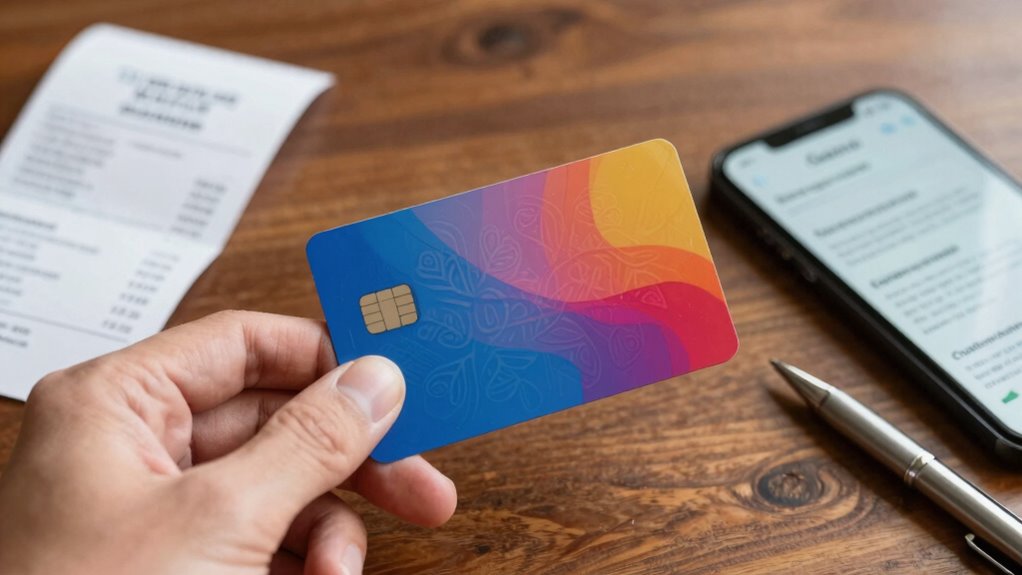
Before buying a gift card, it’s important to carefully check the terms and conditions that come with it, as they can vary widely. Start by reviewing the expiration date. Most cards last at least three years, but some have no expiry at all, which is a bonus. Watch out for hidden fees, like activation, maintenance, or inactivity charges, which can reduce the card’s value over time.
It’s wise to understand the policy for lost or stolen cards. Can the funds be recovered or replaced? Also, check if the card can be used online, in-store, or both, and whether there are restrictions or minimum spend amounts. Lastly, ensure there’s a simple way to check your balance and that all terms are clearly disclosed before you buy.
E-Gift Cards vs. Physical Cards: Which Is Better?
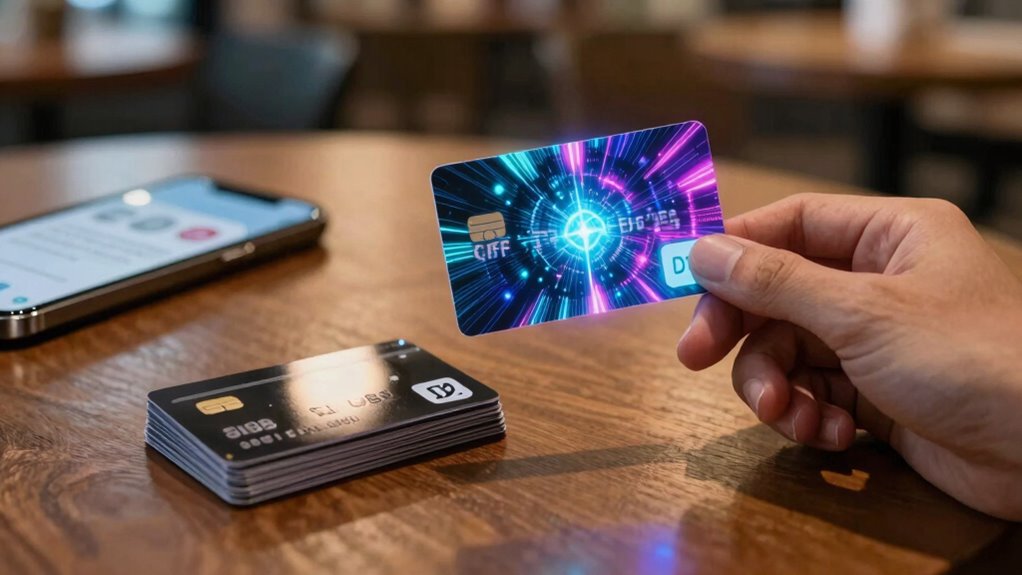
When choosing between e-gift cards and physical gift cards, several factors come into play, depending on the occasion and the recipient’s preferences. E-gift cards are quick and easy; they arrive instantly via email or text, making them perfect for last-minute gifts or distant loved ones. They also reduce the risk of loss since they are stored digitally, and online balance checks are simple.
Physical cards, on the other hand, offer a tangible keepsake that can feel more personal or special. Some people prefer in-store redemption and enjoy giving or receiving a card they can hold and present nicely.
- Convenient for last-minute or distant gifting
- Physical cards provide a memorable, tangible keepsake
- E-gift cards are less prone to loss or theft
How to Maximize Savings When Purchasing Gift Cards
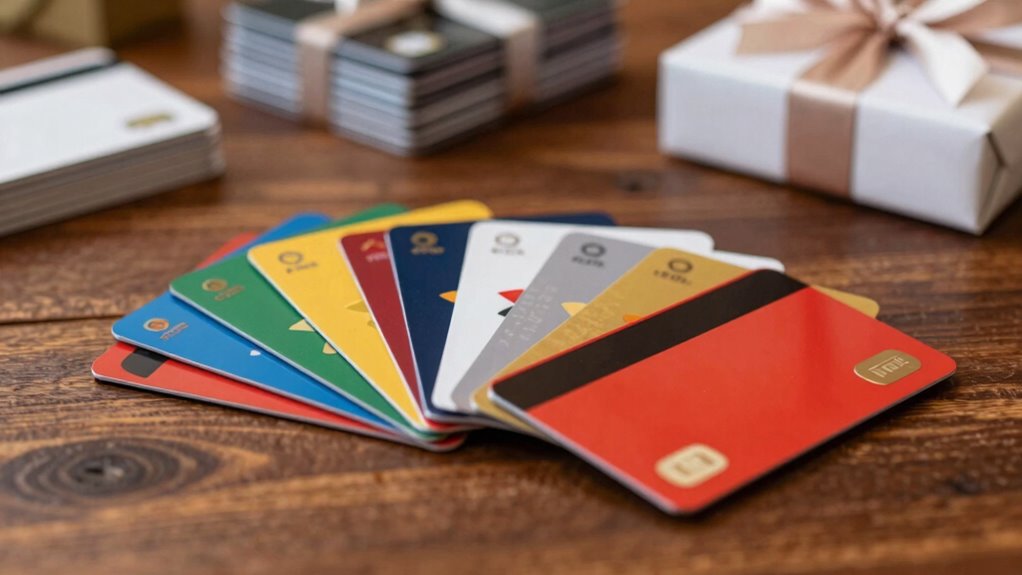
How can shoppers get the most value when buying gift cards? One effective way is to look for discounts through clubs, societies, or rewards programs, which can cut the upfront cost. Using cash or a debit card instead of a credit card helps avoid extra fees like cash-advance charges and interest. Before purchasing, it’s smart to check for activation, maintenance, or inactivity fees that can eat into your savings.
E-gift cards are a convenient option; they arrive instantly and reduce the risk of losing a physical card. During holidays, stacking several smaller denomination e-gift cards offers flexibility and maximizes what you can use. By comparing total costs and taking advantage of deals, shoppers can make their gift card money stretch further, turning a simple purchase into a smart savings tool.
Alternatives to Gift Cards That Offer Personal Value
Have you ever considered that giving a gift doesn’t have to mean handing over a card or cash? There are many thoughtful alternatives that add a personal touch and lasting value. For example, cash gifts can be styled creatively, like placing money in a decorative tissue box, which makes the gesture more memorable.
Personal experiences, such as offering tickets to a concert or a spa day, create memories instead of material items. Additionally, memberships or reward programs often provide discounts, making these options more economical while still offering flexibility. E-gift cards are another great choice; they can be sent instantly, stored on a phone, and allow recipients to pick exactly what they want, avoiding duplicates and ensuring convenience for distant friends or relatives.
- Creative cash gifts like money in a decorative box
- Giving experiences like event tickets or spa vouchers
- Using memberships or reward programs for savings