
Our top 3 picks
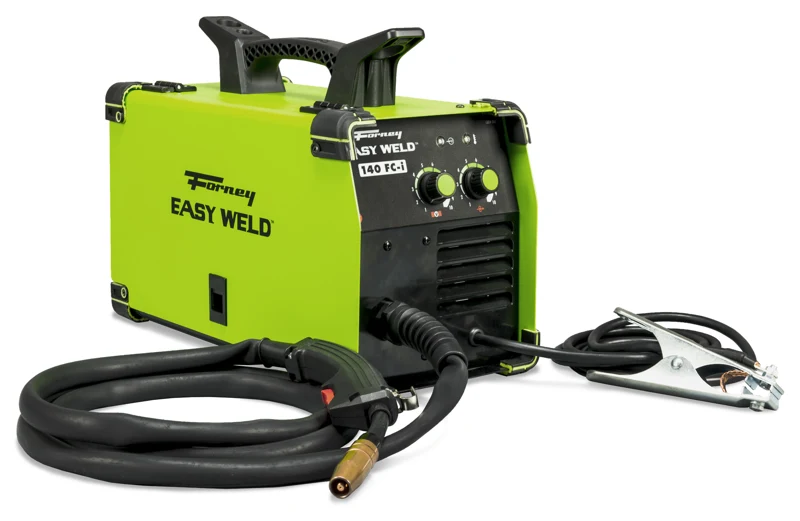
Forney Easy Weld 140 FC-i
- 120V input
- Flux-cored wire process
- Separate voltage and feed controls
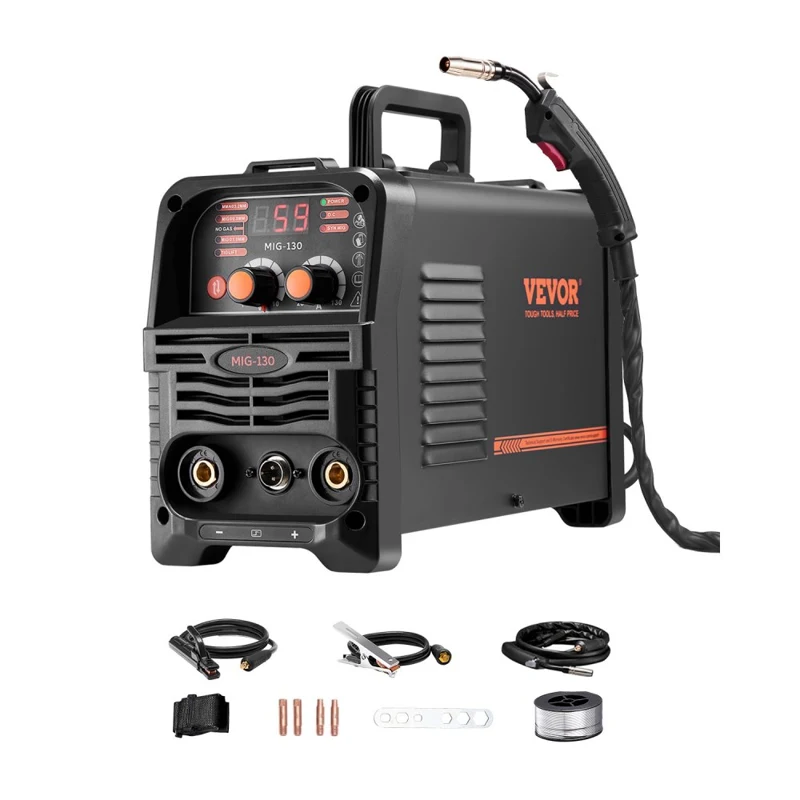
VEVOR MIG-130
- Gasless MIG, MMA and Lift TIG
- Maximum 1kg wire spool
- 0.8mm or 1mm flux-core wire
Use coupon code VVOTD for 8% off. Ends 31 Dec.
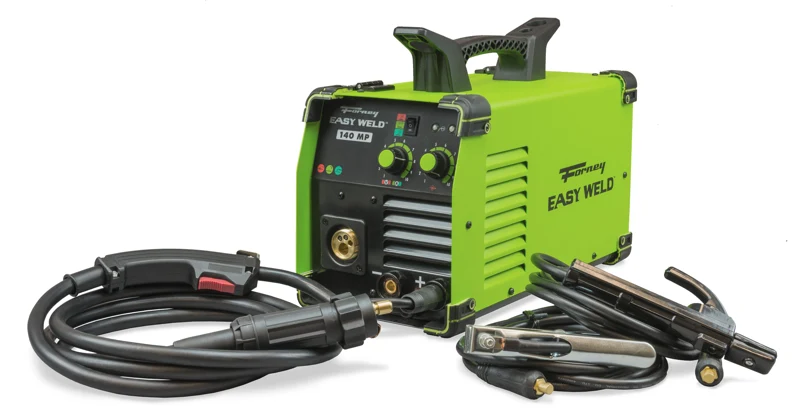
Forney Easy Weld 140 MP
- 120V input
- MIG, flux-cored, stick and TIG listed
- Maker-listed weight: 20.3lb
The short answer
Choose the Forney FC-i for a focused flux-cored starting point, VEVOR MIG-130 for several listed modes, Forney MP for a broader learning plan, or VEVOR MMA-140-NA to concentrate on electrodes. Compare Black Friday welder deals by the exact configuration and supply requirements before considering the discount.
On this page
1. Forney Easy Weld 140 FC-i: best focused starter
Forney Easy Weld 140 FC-i
Best focused starter
Who it suits: A learner who wants to concentrate on one wire-fed method.
- 120V input
- Flux-cored wire process
- Separate voltage and feed controls
Pros: Separate adjustments allow small changes as technique develops. The maker lists a torch wrap and an included plug adapter.
Keep in mind: This is a flux-cored unit, so it does not provide gas-shielded MIG or TIG modes.
Our verdict: The best focused starting point in this selection when a single process covers the intended repairs.
View Product DetailsThe Forney FC-i keeps the decision simple: it is a wire-fed welding machine for flux-cored work. There is no cylinder to connect for that process. The maker specifies a .030-inch recommended wire size and a maximum plate thickness of a quarter inch. Those limits are a starting point for matching a task, rather than a promise that a new operator will make a sound weld at the upper boundary.
Its separate voltage and feed-speed adjustments are useful for learning what each setting changes. A fixed automatic program can reduce welding setup steps, but independent dials make it easier to follow the setting chart and make one correction at a time. Practice on scrap that matches the planned metal before moving to a finished piece. The welding manual, rather than an online comment, should set the starting values.
Forney lists the welder at 19 pounds and supplies an eight-foot gun and an eight-foot ground lead. That gives a clearer sense of the package than the headline output alone. Measure the distance from the outlet to the bench and from the welder to the weld. Long cables are convenient, but an extension lead must meet the welding manual's requirements; it is not an automatic substitute for a suitable circuit.
The trade-off is versatility. Buyers who already intend to learn another method may prefer the MP below, while a person who wants fewer initial choices may find this focused welder easier to understand. The value comes from buying the functions that will actually be used. Compare the complete price with the cost of consumables and protective equipment before selecting between the two Forney welders.
2. VEVOR MIG-130: best multi-mode option
VEVOR MIG-130
Best multi-mode option
Who it suits: A beginner who wants a wire-fed starting mode with other methods available later.
- Gasless MIG, MMA and Lift TIG
- Maximum 1kg wire spool
- 0.8mm or 1mm flux-core wire
Pros: Three listed modes offer more room to learn than a single-method machine. The small spool format makes the intended consumable size clear.
Keep in mind: The listed MIG mode is gasless. Lift TIG needs the appropriate separate setup; the mode name alone is not a complete kit.
Our verdict: A useful multi-mode choice if the stated spool and consumable sizes match the planned jobs.
View Product DetailsUse coupon code VVOTD for 8% off. Ends 31 Dec.
The VEVOR MIG-130 combines gasless MIG, MMA and Lift TIG in one body. Its specification table identifies flux core wire as the compatible feed type and limits the reel to one kilogram. Those details matter more than the number of modes printed across a sales banner. Someone who already owns a larger reel should check fit before counting it as part of the starter budget.
There is an important distinction between this model and a gas MIG welder. A welder that lists gasless feeding is not automatically equipped for a cylinder and solid-wire conversion. The exact model's specification list is the useful reference here. Do not transfer a capability from a similar-looking welder in the same range. VEVOR sells several versions, and the checkout selection must match the linked product.
The extra methods may appeal to a learner who plans to explore stick welding after gaining confidence with a torch. They also add decisions about accessories and welding setup. Confirm what is supplied for each function, and which items must be bought separately. A bundle with several modes can still require another torch, the correct gas supply or other parts before all of those modes are usable.
For Black Friday comparisons, the verified coupon is a modest part of that larger decision. It does not change the welder's consumable limits or turn it into a higher-output variant. A good offer is one that reduces the total for the exact configuration that fits the task. Save the model description with the order, and compare that description against the delivery contents before putting the welder into service.
3. Forney Easy Weld 140 MP: best for learning more
Forney Easy Weld 140 MP
Best for learning more
Who it suits: Someone who wants several learning paths while staying with a 120V unit.
- 120V input
- MIG, flux-cored, stick and TIG listed
- Maker-listed weight: 20.3lb
Pros: The maker lists several processes, a ten-foot MIG gun, an electrode holder and a ground clamp. Independent adjustments support gradual setup changes.
Keep in mind: The included parts do not make every process ready to run. Check the manual for the TIG and gas setup needed.
Our verdict: The best option here for planned progression when its supply requirements and accessory costs fit the budget.
View Product DetailsThe Forney MP is the broader alternative to the FC-i. Its specification sheet lists MIG, flux-cored, stick and TIG processes, together with a 120V input. That makes it worth comparing when the purchase is intended to cover more than the initial welding practice project. It does not mean every listed function employs the same torch, filler or gas supply.
The stated package includes a ten-foot MIG gun, an eight-foot rod holder and an eight-foot ground clamp, plus a plug adapter and an extra contact tip. Check the retailer's listed contents against that maker list before ordering. A photograph of cables is less useful than a written inventory when comparing packages, especially when one seller adds accessories and another sells the base welder.
Forney's sheet gives a 20.3-pound weight and recommends .030-inch wire or an electrode up to one-eighth inch. These are concrete details for planning storage and consumable purchases. Its published plate limit reaches a quarter inch, but a thickness figure does not describe weld preparation or a learner's skill. Start with the welding manual's setup chart and a welding practice piece that matches the intended task.
The main reason to pay for the extra modes is a real plan to use them. A person who only wants a straightforward flux-cored welding setup may get more from the smaller list of choices in the FC-i. Someone who wants to learn TIG welding later should price the additional torch and other required parts. Count that expense before deciding the more flexible Forney is the better buy.
4. VEVOR MMA-140-NA: best for stick practice
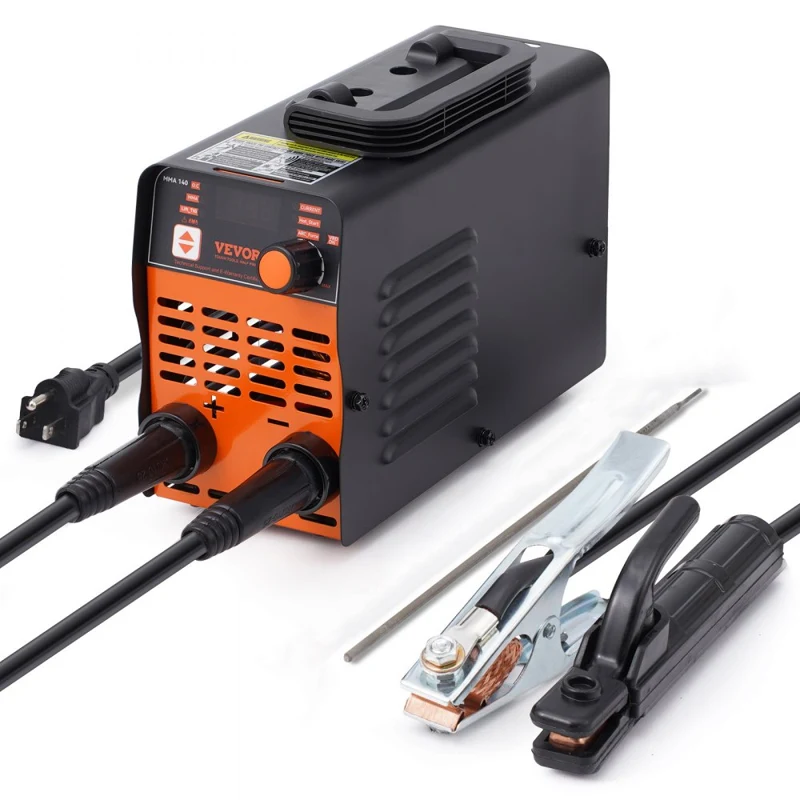
VEVOR MMA-140-NA
Best for stick practice
Who it suits: A learner concentrating on electrodes rather than a wire-feed system.
- Stick and Lift TIG modes
- Digital current display
- Hot Start and anti-stick functions
Pros: The compact body and carry handle suit a bench that must be cleared between sessions. The controls include a current display.
Keep in mind: The maker's table lists 100A ±10A output and a 15% duty cycle at 40°C, despite the 140A model rating.
Our verdict: A focused stick-learning option, provided the detailed output specification covers the work planned.
View Product DetailsUse coupon code VVOTD for 8% off. Ends 31 Dec.
The VEVOR MMA-140-NA is the electrode-led alternative in this list. It has stick and Lift TIG modes rather than a wire drive. Its maker describes Hot Start, Arc Force and anti-stick functions, with a digital display for the setting. Those adjustments can help with welding setup, but technique and the selected rod still determine how an arc behaves.
This model also shows why a headline rating requires a closer look. The specification table distinguishes its 140A rated current from a listed output of 100A, with a tolerance of ten amps either way. It gives a duty cycle of 15% at 40°C. Use those detailed values when comparing it with another welder; the larger number in a title is not evidence of continuous output.
Stick welding removes the reel and feed mechanism from the initial shopping list. It replaces them with decisions about electrode type, diameter and storage. The correct rod and settings depend on the metal and the welding manual's instructions. A beginner should not choose it solely because the body is light or the discount appears larger than another offer.
This is a practical fit here for someone who specifically wants to learn that method. If the aim is thin-sheet MIG repairs, compare the other three welders before deciding. For any planned Lift TIG use, confirm the compatible torch and supply before paying. A second function is useful only when the supporting parts and the intended task line up with the welder's documented capabilities.
Factors to consider when choosing the best welders for beginners
Begin with a description of the next few welding jobs: the metal, its thickness, where the weld sits and the available electrical supply. A small decorative bracket and a substantial frame can lead to different equipment choices. A suitable starter is the one that fits those known tasks while leaving enough of the budget for welding setup and welding practice. A long list of functions cannot resolve a mismatch at the outlet.
Which welding process best fits the work?
A MIG method supplies filler through a gun. Gas-shielded MIG employs a compatible external gas supply, while self-shielded flux-cored work uses the appropriate tubular wire. Stick uses a coated electrode. TIG uses a different torch arrangement and a shielding supply. A suitable welding route depends on the planned joints, working conditions and how much welding setup a learner wants to manage.
Read the exact mode list. A gasless MIG label does not establish that a product also accepts a cylinder. A Lift TIG setting does not mean a torch and every supporting part come in the box. For beginners, one usable method with a clear welding manual can be more practical than several incomplete setups. Extra modes become valuable when there is a reason to learn them.
Input voltage and available power
Check the supply specification before comparing maximum amperage. A familiar plug shape does not prove that an outlet and circuit can support the required load. The Forney welders here specify 120V input; consult their manuals for circuit and adapter instructions. For another model, confirm its own requirements instead of borrowing the numbers from a nearby listing.
A dual-voltage claim on a different welder also needs its output table read at each input. The maximum available at one supply may differ from the maximum at the other. Do not buy a larger welder on the assumption that a simple adapter creates more capacity. Plan the electric supply first, then select compatible welders from the remaining shortlist.
What about the duty cycle?
The duty cycle describes allowable operation at a stated output and temperature over the manufacturer's reference interval. Compare the full conditions together. A percentage without those conditions is an incomplete comparison. The MMA model above is a useful example: the detailed table is more informative than its headline rating, and its stated temperature belongs with the percentage.
Short welding practice beads may need breaks for checking the weld, cleaning and repositioning. Those pauses do not justify ignoring the stated limit. Follow the welding instructions for cooling and indicators. When comparing welders, look for the output that suits the planned task rather than assuming that a high maximum means a welder can run at that level without interruption.
Steel, stainless steel and aluminum
The metal matters as much as the control panel. Mild steel is a different starting task from aluminum, and a list that includes stainless steel still needs the appropriate process and consumables. None of the short mode names is enough to establish an aluminum welding setup. Confirm the exact combination in the maker's documentation before treating that material as supported.
Thickness limits also need context. Joint design, preparation and technique affect the result. The published maximum is useful for narrowing the search, but it is not a reason to make the first weld on a critical repair. For beginner welding practice, choose scrap of known composition and use the welding manual's setting guidance. Judge the weld itself before moving to finished work.
Wire, reel and torch compatibility
Consumable sizes are easy to overlook during a sale. Match the specified diameter to the welder, contact tip and selected process. Check the maximum reel size, too. The VEVOR MIG model here lists one kilogram, so a larger reel should not be assumed to fit. A bargain pack of incompatible supplies adds cost instead of value.
Inspect replacement-part availability before buying. A torch, liner, tip and work clamp are working parts that may need attention with use. Find the relevant part identifiers in the welding manual and compare what the package includes. Good documentation makes that check easier. Product photographs help identify the model, but they do not replace a written contents list.
Weight, controls and space
A portable welder can be convenient in a shared garage, especially when it has to leave the bench after a session. Count the cables and other supplies as part of the storage plan. The body weight alone leaves out much of what must be carried. Check that the display and dials remain readable from the position where the welder will sit.
Simple dials can make early welding adjustments easier to follow. That does not make an advanced panel inherently unsuitable, but it should earn its place through a useful feature. For small projects, a useful balance for welding may be straightforward settings and a clear reference chart. For a wider learning plan, the extra modes can be worth the additional welding setup.
Black Friday welder deals: compare the complete price
A sale should be compared on the exact model and supplied kit. Keep a note of the normal configuration, then check whether a holiday bundle changes the contents. Include delivery and any required supplies in the total. A large headline reduction can become less appealing if the needed accessories are absent.
Check the price after entering a code, rather than subtracting a percentage from an unrelated advertised figure. The VEVOR code beside its buttons has a stated December deadline. A Black Friday label does not establish a historical low, and this guide does not assign one.
Compare the seller's posted return terms and model identification before ordering. Save the order description so that the delivered welder can be checked against it. That small step helps when a listing offers several similar versions. It also prevents an output rating from a larger variant being mistaken for a feature of the one in the basket.
Best practice setup before the first weld
Read the welding manual before assembly. It covers the correct connections, required protective clothing, ventilation and preparation of the area. Set aside the appropriate helmet and gloves as part of the purchase budget. Clear combustible material from the working area and follow the maker's welding instructions for a safe welding setup. The welder's protective features do not replace that preparation.
Allow welding practice material and consumables in the budget, too. A useful welding learning plan includes short sessions that change one setting at a time and compare the resulting welds. Keep notes on the starting setting and the adjustment. That is more useful than copying a stranger's numbers for an unknown gauge. A machine chosen for the actual task makes those early sessions more focused.
Planning home MIG welding practice
For a home MIG welding space, separate the purchase decision from the urge to start making something large. A beginner welder can begin with clean steel offcuts, a stable bench and the welding instructions for that exact welder. Decide what a useful practice weld should show, then change one setting and compare it with the previous weld. A neat bead is only one part of weld quality.
For MIG welding, check whether the welder specifies gas shielding or self-shielded feed. Gas MIG involves a compatible cylinder, regulator and filler. Flux core equipment has a different starting arrangement. A new welder owner should check everything in the supplied welding manual before connecting it. The right gas and matching supplies matter more than the size of a discount badge. Do not assume gas equipment is included with a multi-process welder.
A MIG welder with adjustable feed speed gives a learner another setting to understand. Read the welding chart for the selected steel gauge, then compare the resulting weld on scrap. A thick steel offcut and thin sheet are different learning tasks. Thick stock can draw attention to amperage requirements; thin steel can make small adjustments matter. The useful lesson is to match the welder to the steel, rather than chase a strong headline claim.
Allow a lot of room for preparation in the learning schedule. Several minutes spent reading the welding instructions can prevent an unsuitable purchase. Lightweight welders are convenient to move, but heavy cables and other accessories also take space. See whether the selected welder's welding manual gives enough detail for getting started with the intended process. Technology labels alone do not explain how to produce a sound weld.
If a feature sounds promising, ask what it changes in the actual welding task. An advanced welder may offer more adjustments than a beginner will initially want. Another learner may want those options for future welding projects. A free accessory is useful only when it fits the chosen welder. Review the complete package before deciding that a promotional bundle offers better value.
FAQ: choosing a beginner welder
What type of welder is best for beginners?
A focused flux-cored welder is a sensible starting point when it covers the planned material and supply. The Forney FC-i is our focused pick for that reason. A multi-process option makes more sense when learning another method is already part of the plan. There is no single answer for every beginner; the available circuit and first jobs narrow the choice.
Is MIG or TIG better for beginners?
Wire-fed MIG often offers a more direct starting task, while TIG involves its own torch technique and welding setup. That does not make one universally better. Start with the intended joints, then compare the required parts and learning steps. A multi-mode unit can keep another route available, but its TIG function still needs the correct supporting supplies.
How much should a beginner spend on a welder?
Set a total budget that includes the machine, consumables and safe welding setup rather than using the machine price alone. Compare the final basket for the same job. A lower-priced body may need more extra parts than a complete kit. Avoid paying for unused modes just to obtain a larger advertised discount.
Can these welders replace a larger shop machine?
Only if the documented output, supported materials and duty limits cover the required tasks. A compact body and several modes do not establish the same capability as a larger installation. Compare those facts before buying for repeated fabrication. A learner doing occasional small repairs has a different requirement from continuous production.
Should the best starter have 200 amps?
Not automatically. Amps are one part of a matched welding setup. The input supply, intended thickness and process can matter more than the highest number on the page. Choose from documented capability, and compare output at the same conditions. A smaller suitable unit may leave more of the budget for welding practice and accessories.
Are Black Friday offers always the lowest price?
No. Compare the exact configuration and checkout total against a recorded earlier price if one is available. A coupon confirms a stated reduction under its terms; it does not prove a lowest-ever figure. The most useful comparison is the complete package that supports the intended job, including anything that must be bought separately.