
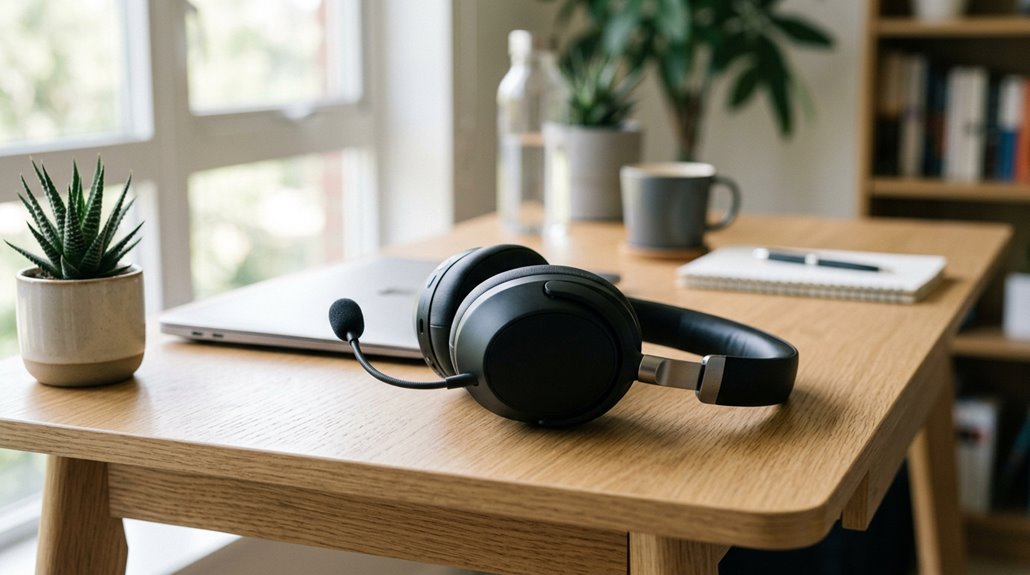
The picks below are headsets with built-in microphones rather than clip-on boom mics. If you already like a pair of headphones and only want to add a microphone, a headset is a different purchase: it replaces the headphones as well, so the fit and sound change with it. These five cover wired gaming, Bluetooth calls, a console-specific option, a budget spare and a headset built for clear speech.
Our Top 5 Headset Picks
| Razer Kraken V4 X Wired Gaming Headset | 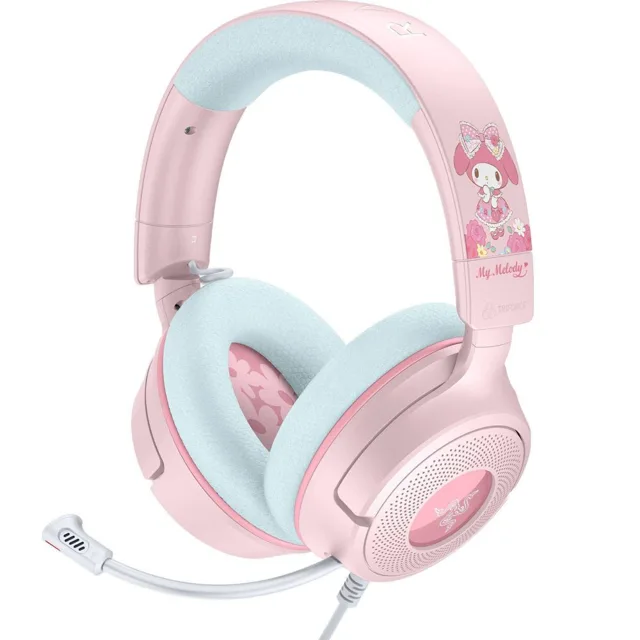 | Best Wired Pick | Connection: Wired | Type: Gaming headset | Edition: My Melody | View at the shop | Read Our Analysis |
| Delton Wireless Bluetooth Headset with Mic | 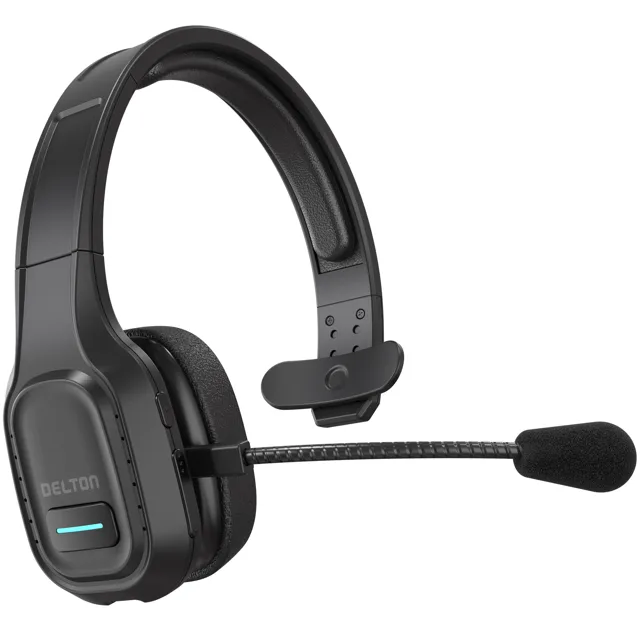 | Best Wireless Pick | Connection: Bluetooth | Type: Computer headset | Rating: 3.8 out of 5 | View at the shop | Read Our Analysis |
| Hori Gaming Headset for Nintendo Switch 2 | 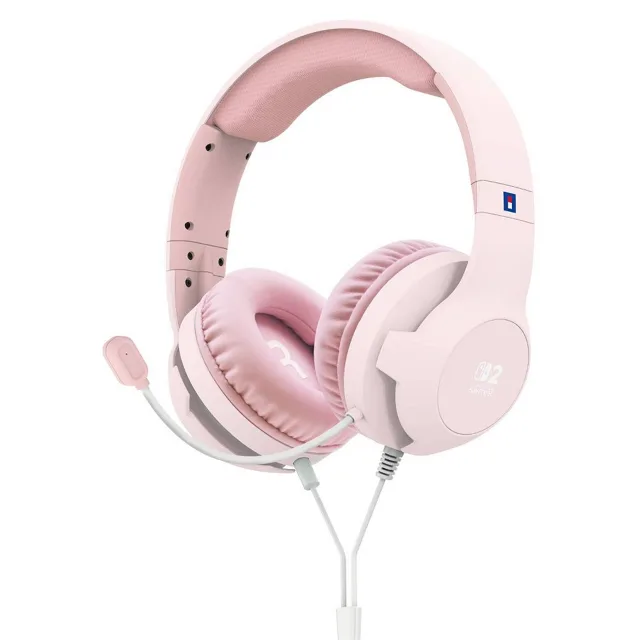 | Best for Switch 2 | Platform: Nintendo Switch 2 | Type: Gaming headset | Colour: Cozy Pink | View at the shop | Read Our Analysis |
| Zummy Wired Gaming Headset with Microphone | 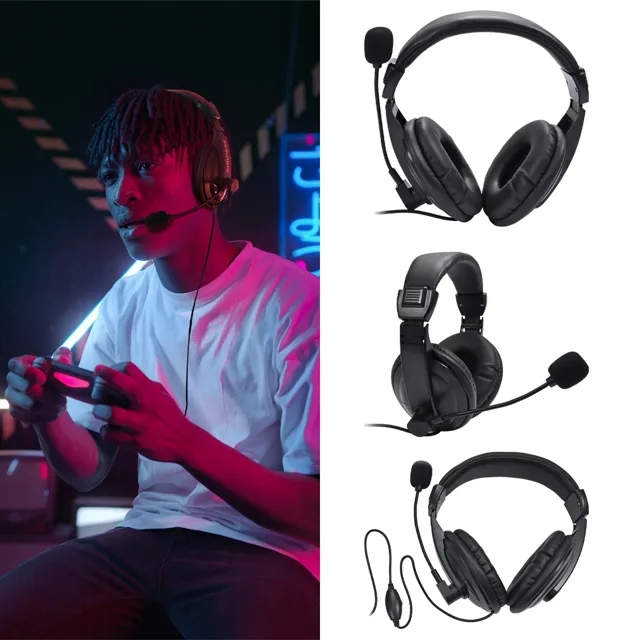 | Best Budget Pick | Connection: Wired | Type: Gaming headset | Use: Consoles and PC | View at the shop | Read Our Analysis |
| BlueParrott VR12 Convertible Headset | 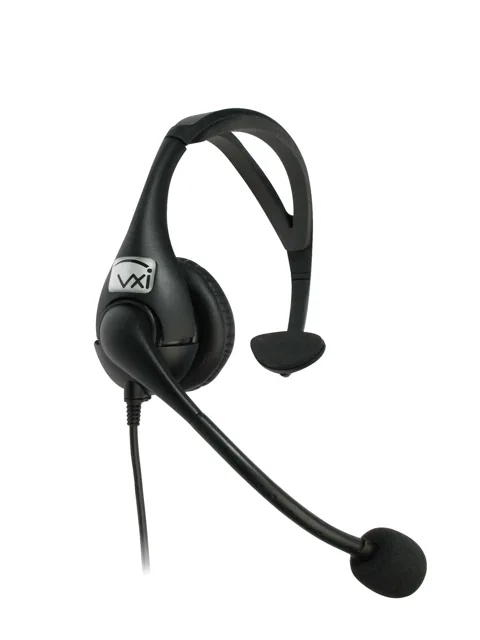 | Best for Clear Voice | Type: Convertible headset | Condition: New open box | Brand: BlueParrott | View at the shop | Read Our Analysis |
More Details on Our Top Picks
Razer Kraken V4 X Wired Gaming Headset
The Kraken V4 X is Razer’s wired gaming headset, here in a My Melody edition. The shop lists it as a wired gaming headset with a microphone, so there is no battery to charge before a call.
It is the pick for someone who wants a gaming headset on a cable rather than a Bluetooth pair, with the microphone built into the headset.
Delton Wireless Bluetooth Headset with Mic
The Delton headset connects over Bluetooth, so it works with a computer without a cable running across the desk. The shop page shows a 3.8 out of 5 rating for it.
It is the wireless pick for calls, lessons and meetings. Because it is a computer headset rather than a pair of headphones, the microphone is part of the package.
Hori Gaming Headset for Nintendo Switch 2
The Hori headset is made for the Nintendo Switch 2 and listed in a Cozy Pink colour. It is the console-specific pick in this list.
Choose it if the headset will live with a Switch 2 and you want a microphone for game chat. For PC-only calls, the other picks fit better.
Zummy Wired Gaming Headset with Microphone
The Zummy headset is a low-cost wired gaming headset with a microphone, listed for game consoles and PC. It is the budget pick when you want a spare headset for chat.
A wired headset needs no charging and no pairing, which keeps it simple for a second setup or a guest machine.
BlueParrott VR12 Convertible Headset
The BlueParrott VR12 is a convertible headset sold here as new open-box stock. The shop describes open-box as an unused product in opened packaging, with all accessories included.
It is the pick for clear voice: a headset with a microphone for hands-free talking.
Factors to Consider When Choosing Headphone Microphones
When choosing a headphone microphone, it’s essential to take into account several factors that can make a big difference in your experience. These include the type of microphone, such as whether it’s a boom mic or a built-in one, and features like noise cancellation that help block out background sounds.
Additionally, compatibility with devices, comfort for long wear, and recording quality are key points. These factors help guarantee the microphone meets your specific needs and provides clear, reliable sound.
Microphone Type Choices
Have you ever wondered why some microphone choices make voices sound clearer, while others pick up too much background noise? The type of microphone in a headset plays a big role.
Boom microphones are usually directional, meaning they mainly pick up sound from the speaker’s mouth and block out side noises. Inline or built-in mics are more common but can vary. Omnidirectional mics pick up sound equally from all directions, which is great in quiet spaces but can cause issues in noisy environments.
Cardioid or unidirectional mics focus solely on the user’s voice, helping clarity while reducing background sounds. Additionally, some headsets include noise-canceling tech or detachable mics, offering flexibility for different situations.
Noise Cancellation Features
Ever wonder what makes some headphone microphones better at cutting out background noise? It often comes down to their noise cancellation features. Many models use a boom or rotating mic designed to pick up sound directly in front of the user, reducing ambient noise. Some headphones offer passive noise isolation through closed-back or over-ear designs, which block out a lot of external sound naturally. Built-in noise-canceling microphones use directional pickup patterns or noise-cancel algorithms, actively suppressing surrounding chatter.
In-line controls and mute indicators also help users stay aware of when their mic is active, preventing unintended noise pickup. The overall effectiveness depends on the microphone’s design, like cardioid patterns, and quality specs such as frequency response. All these features work together to deliver clearer voice transmission.
Compatibility Requirements
Choosing the right microphone for headphones involves more than just picking a popular brand or a fancy feature list. Compatibility is key. For example, USB headsets need a compatible USB port and may include in-line controls for mute and volume. Great, but if a device lacks USB audio support, they won’t work.
On the other hand, 3.5 mm jack headsets are more versatile, fitting most devices with a suitable combo or separate mic input. However, some modern laptops might need an adapter. Wireless options rely on Bluetooth or proprietary dongles, and their compatibility depends on supported codecs and Bluetooth versions. This can affect latency and sound quality.
Always check platform-specific details—like Windows Sonic, USB-C, or 3.5 mm—to ensure the microphone functions well with your device setup.
Comfort and Fit
What makes a headphone microphone comfortable enough to wear for hours on end? It largely depends on design choices that distribute pressure evenly. Over-ear models with padded cushions and adjustable headbands are popular because they gently hug the head without causing discomfort, even during long sessions. Lighter frames are easier to wear without fatigue setting in.
On-ear and off-ear styles offer alternatives, but on-ear designs can feel snug and might need a break-in period. Microphone booms that rotate or fold help users position the mic just right and store it easily. Additionally, memory foam or protein ear pads enhance comfort and create a good seal around the ears, making extended use more pleasant across different head sizes.
Recording Quality Standards
Understanding the recording quality of a headphone microphone involves more than just how it sounds to the listener; it’s about how accurately and clearly it captures the speaker’s voice. Microphone type plays a big role. Omnidirectional mics pick up sound from all directions, while cardioid microphones focus on the speaker, reducing background noise.
The frequency response affects clarity and naturalness. A high signal-to-noise ratio and noise cancellation help cut out unwanted background sounds, which is essential in noisy environments. Polar patterns and pickup sensitivity determine how much ambient noise is recorded. Additionally, proximity effect and plosive handling—using pop filters or windshields—improve intelligibility.
Nonetheless, compatibility with devices and the quality of analog-to-digital conversion influence overall recording fidelity.
Durability and Build
When selecting a headphone microphone, durability and build quality are just as important as sound performance. Headsets with reinforced connectors and braided cables are better suited for everyday use in classrooms or gaming, resisting wear and tear. Look for models with rotating or foldable boom mics that stay securely in place when not in use, preventing damage from handling. Lightweight frames with memory foam or premium ear cushions help reduce strain during long sessions, protecting the microphone assembly.
Wired connections like USB or 3.5 mm jacks minimize latency and avoid issues like wireless dropouts. Additionally, features such as dedicated mute indicators and sturdy inline controls help prevent accidental activation and lessen wear on parts like the mic boom.
Connectivity Options
Choosing the right connectivity option for a headphone microphone can feel like steering through a tech maze, but understanding the basics makes it much simpler. USB headsets transmit audio digitally via USB-A or USB-C, offering plug-and-play convenience without extra sound cards. Meanwhile, 3.5 mm jack headsets rely on analog signals, requiring compatible devices with dedicated mic inputs or adapters to split headphone and mic signals.
Some headsets come with dual connectivity, both USB and 3.5 mm, making them versatile for different devices. Built-in inline controls, such as volume and mute buttons, add ease but may depend on platform support. Compatibility is key. Certain features work better on Windows, Mac, or gaming consoles, and adapters might be needed for older devices, ensuring users get the best experience across all platforms.
Frequently Asked Questions
How Do Noise-Canceling Microphones Improve Voice Clarity?
Noise-canceling microphones enhance voice clarity by actively reducing ambient sounds through advanced algorithms and hardware. They isolate the speaker’s voice and deliver clearer audio, especially in noisy environments.
What Is the Typical Lifespan of Headphone Microphones?
How long a headphone microphone lasts depends on usage, build quality and care. Regular cleaning and careful handling help it last longer, and electronic components do degrade over time.
Are Wireless Headsets as Reliable as Wired Ones for Clear Voice Transmission?
Wireless headsets generally offer comparable reliability to wired ones for clear voice transmission. However, factors like signal interference, battery life, and connection stability can influence performance, making wired options slightly more consistent under certain conditions.
How Does Microphone Placement Affect Sound Quality and Clarity?
Placement makes a clear difference: a microphone kept close to the mouth picks up less room noise, while one that sits far away sounds distant and echoey.
Can Headphone Microphones Be Easily Replaced or Upgraded?
Headphone microphones can often be replaced or upgraded, but compatibility depends on the model and design. Users should verify manufacturer specifications and compatibility, as some headphones feature integrated, non-removable microphones. While others support modular upgrades.