
| DTTZH Electric Bike with NFC 4000W 60V Fat Tire |
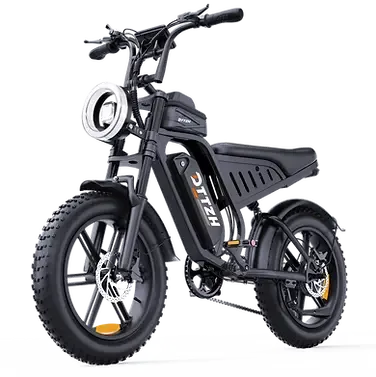
| Rugged Performance | Motor Power: 750W peak | Battery Capacity: 48V 15.6Ah | Range per Charge: Up to 24 miles (electric), 60 miles (PAS) | Check price on Amazon | Read Our Analysis |
| Jasion RetroVolt Pro Electric Bike |
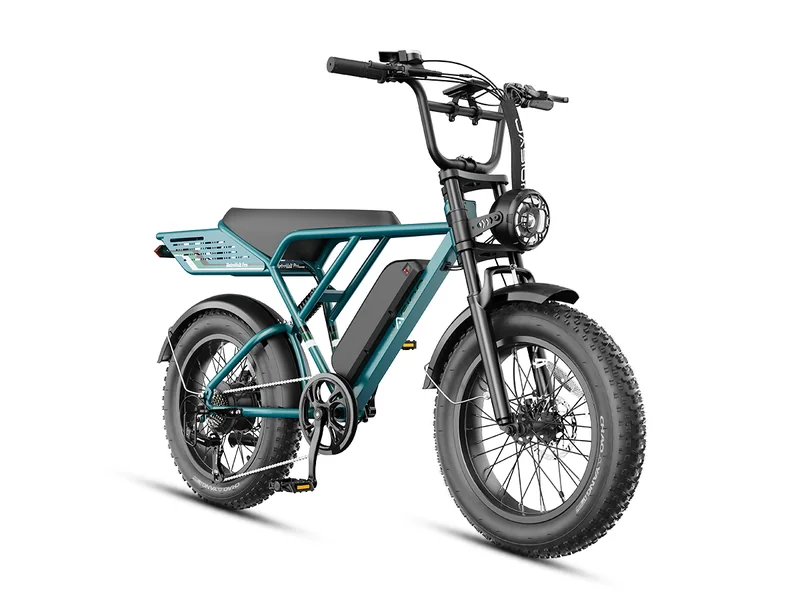
| Long-Range Power | Motor Power: 2000W peak | Battery Capacity: 1040Wh | Range per Charge: Up to 75 miles | Check price on Amazon | Read Our Analysis |
| Jasion X-Hunter Foldable Electric Bike |
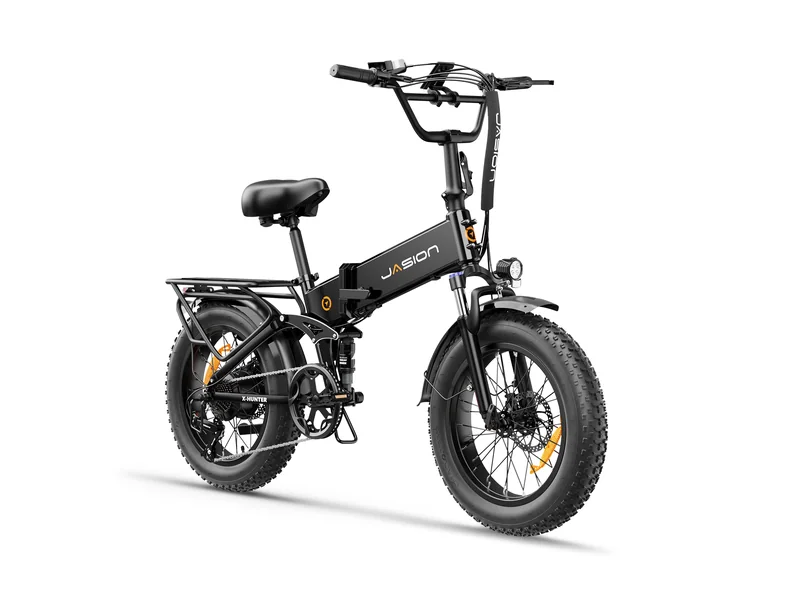
| All-Terrain Folding | Motor Power: 1400W geared motor | Battery Capacity: 48V 13Ah | Tires: 20x4-inch fat tires | Check price on Amazon | Read Our Analysis |
| Heybike Mars 3.0 Foldable Electric Bike |
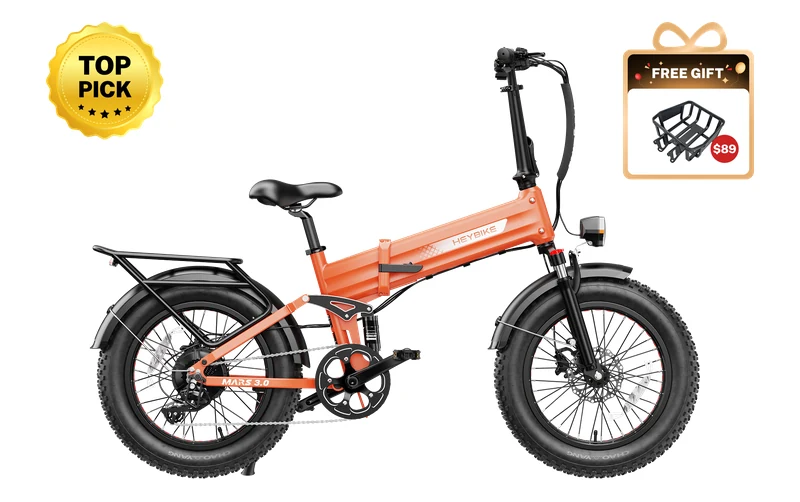
| Torque & Range | Motor Power: 1400W peak | Torque: 95 N·m | Range per Charge: Up to 70 miles | Check price on Amazon | Read Our Analysis |
| Gotrax R1 Folding Electric Bike |
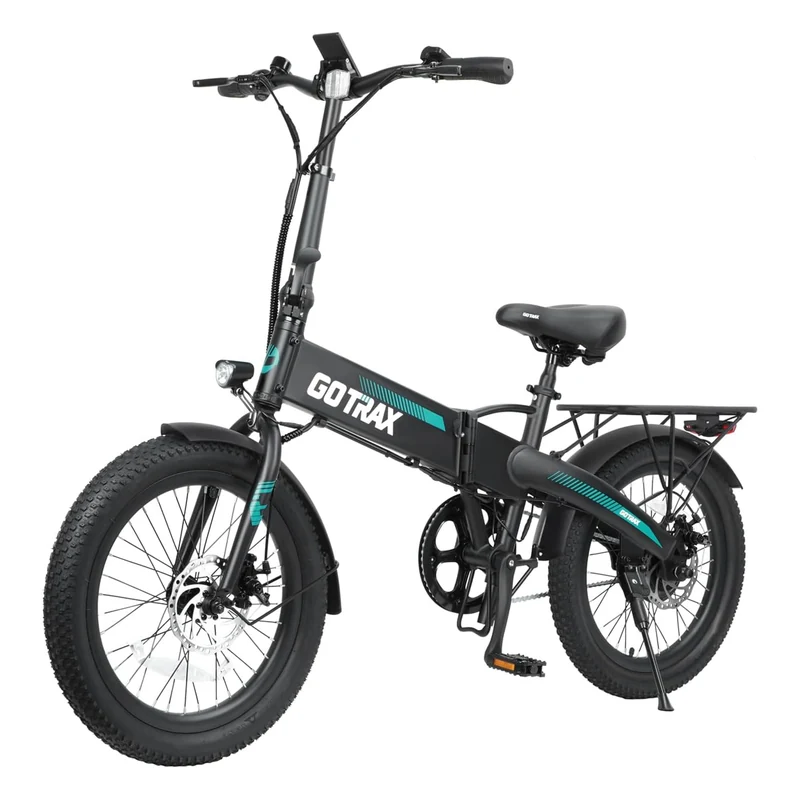
| Compact Commuter | Motor Power: 500W peak | Range per Charge: Up to 40 miles | Wheel Size: 20" x 2.6" | Check price on Amazon | Read Our Analysis |
More Details on Our Top Picks
DTTZH Electric Bike with NFC 4000W 60V Fat Tire
For food delivery drivers needing reliable, rugged performance, the DTTZH Electric Bike with NFC and a 4000W motor stands out. Its powerful motor helps riders tackle hills and busy streets with ease, while the fat tires handle various terrains like sand or grass.
The bike features a sturdy high-carbon steel frame and dual suspension for a smooth ride. With a removable 48V battery, drivers can recharge quickly—full in around 6 hours. The NFC unlock system adds convenience, allowing quick access just by tapping a card.
- Motor Power:750W peak
- Battery Capacity:48V 15.6Ah
- Range per Charge:Up to 24 miles (electric), 60 miles (PAS)
- Wheel Size:20”
- Braking System:Dual disc brakes
- Suspension Type:Full suspension (hydraulic front/rear shocks)
- Additional Feature:NFC unlocking system
- Additional Feature:7-speed shifting
- Additional Feature:Color LCD display
Jasion RetroVolt Pro Electric Bike
The Jasion RetroVolt Pro is the long-range option on this list, pairing a 2000W peak brushless motor with 99 N-m of torque. That torque is what lets it pull away from stops and climb steep streets with a loaded rack, while the moped-style frame stays stable at speed.
A 1040Wh battery is rated for up to 75 miles on a single charge, so a full delivery shift fits inside one charge. Dual suspension combines a Horst-Link rear with a hydraulic front fork, and the hydraulic disc brakes are built for all-weather stopping. The 20x4-inch tires hold traction on rough roads.
- Motor Power:2000W peak
- Torque:99 N-m
- Battery Capacity:1040Wh
- Range per Charge:Up to 75 miles
- Top Speed:38 mph (pedal assist)
- Tires:20x4-inch fat
- Suspension:Horst-Link rear, hydraulic front
- Brakes:Hydraulic disc
Jasion X-Hunter Foldable Electric Bike
The Jasion X-Hunter is built for riders who need a folding bike that can take a beating between deliveries. Its full-suspension frame uses a Horst-link layout, adding a rear chainstay pivot so the suspension manages compression and rebound instead of passing every bump through the frame.
A 1400W geared motor motor provides the hill-climbing torque that matters when the bike is loaded, while the 48V 13Ah battery keeps the electrical system compact. The 20x4-inch fat tires add traction and stability on wet roads, gravel and uneven surfaces, and the frame folds down for storage between shifts.
- Motor Power:1400W geared motor
- Battery Capacity:48V 13Ah
- Tires:20x4-inch fat
- Suspension:Full suspension (Horst-link)
- Frame:Folding
Heybike Mars 3.0 Foldable Electric Bike
The Heybike Mars 3.0 is a folding fat-tire e-bike built for rough city streets and packed trails. Its 1400W peak motor delivers 95 N·m of torque, and full suspension soaks up potholes, kerbs and broken pavement on long delivery shifts.
The 20" x 4" fat tires grip loose and uneven surfaces, while the folding frame shrinks down for storage in a van, hallway or apartment. Riders get up to 70 miles of range per charge in pedal-assist mode, so a full day of drops does not depend on finding an outlet.
- Motor Power:1400W peak
- Torque:95 N·m
- Range per Charge:Up to 70 miles
- Wheel Size:20" x 4" fat tires
- Suspension:Full suspension
- Frame:Folding
- Display:LCD display
Gotrax R1 Folding Electric Bike
The Gotrax R1 is a 20-inch folding e-bike with 20" x 2.6" tires and a 48V battery. A 500W peak motor pushes it to a 20 MPH top speed, making short commutes, campus runs and errands quick and low-effort.
The folding frame fits into a car boot or a closet, and the 48V battery is rated for up to 40 miles of assisted riding. It is a straightforward, low-maintenance option for riders who want a compact second bike.
- Motor Power:500W peak
- Battery Capacity:48V
- Range per Charge:Up to 40 miles
- Top Speed:20 MPH
- Wheel Size:20" x 2.6"
- Frame:Folding
- Use:Commuting and errands
Factors to Consider When Choosing Electric Bikes for Food Delivery
When choosing an electric bike for food delivery, several key factors come into play. These include battery life and range, which determine how far the bike can go before needing a recharge. Motor power and speed also affect how quickly deliveries can be made.
Additionally, durability, storage options, and safety features ensure the bike can handle daily use while keeping the rider safe and comfortable.
Battery Life and Range
Battery life and range are crucial factors to contemplate when choosing an electric bike for food delivery because they directly impact how many orders a rider can complete before needing a recharge. The range is often expressed as miles per charge, whether in pedal-assist (PAS) mode or full-electric mode. Removable batteries are a smart feature, allowing riders to swap batteries easily during long shifts, extending their working hours.
Higher capacity batteries, measured in amp-hours (Ah) and volts (V), generally provide a longer range, with configurations from 10Ah/36V to 35Ah/48V offering different options. Fast-charging capabilities, like recharging in 3-5 hours, help keep downtime minimal.
However, real-world range varies depending on factors such as rider weight, terrain, wind, and cargo, so estimates should be taken as approximate guides.
Motor Power and Speed
Motor power and speed are key aspects that influence how well an electric bike can handle the demands of food delivery. Higher motor power, like 750 to 1500W peak motors, allows bikes to accelerate quickly and climb hills with ease, which is important when navigating busy streets or steep routes. Top speeds generally range from 20 to 34 mph, striking a balance between quick deliveries and safety.
Stronger motors, such as those with 1000 to 3000W peak power, better maintain speed under heavy loads, making those demanding starts or steep inclines more manageable. Additionally, motors that work well with larger batteries ensure longer rides without losing power. Overall, choosing a bike with the right motor power and speed helps delivery drivers stay efficient and safe on their busy routes.
Durability and Build Quality
Ever wondered what makes an electric bike last through the daily hustle of food delivery? Durability and build quality are key. A sturdy frame, typically made of steel or high-strength carbon steel, can handle the constant loading and bumps from urban roads. Reinforced components and reliable disc brakes help maintain control, especially on varied terrains or during long shifts. Weather resistance is also crucial; look for models with IP ratings or weather-proof parts to survive rain and moisture.
Batteries should be durable, removable, and easy to lock up when not in use, protecting against theft. Additionally, a solid design with cargo racks or pannier-ready features ensures consistent payload support without sacrificing balance or safety. These elements all contribute to a bike that endures daily delivery demands.
Storage and Portability
Have you ever tried squeezing a bulky electric bike into a small car or tight corner? It’s no easy feat. That’s where foldable or compact designs come in handy. Bikes with 14″ to 20″ wheels and folding frames are a game-changer, often weighing between 25 and 64 pounds. Removable batteries make life easier, allowing quick charging or swapping during long shifts. These batteries can cover 20 to 62 miles on a single charge.
Lightweight materials like aluminum or high-carbon steel keep the bike manageable while maintaining durability. Features like front and rear suspension help absorb bumps on uneven routes, adding comfort. Plus, integrated lights and reflectors boost visibility at night, ensuring safer deliveries. All these elements make storage and portability practical, without sacrificing performance.
Safety Features Included
Safety features play a crucial role in making electric bikes suitable for food delivery, especially when navigating busy city streets and unpredictable weather. Reliable disc brakes, whether dual or hydraulic, provide strong stopping power, helping riders stay safe amid traffic and slippery conditions. Many bikes also come equipped with front and rear suspension, which absorbs bumps and makes longer rides more comfortable.
Batteries with BMS protection, UL 2849 certification, and removable designs allow for safe charging at multiple locations, reducing downtime. Integrated LED lights and brake-activated taillights boost visibility during nighttime deliveries and help pedestrians notice the rider. Additionally, detailed displays showing speed, battery status, and mileage assist riders in managing their shifts efficiently, ensuring safety and peace of mind throughout busy delivery days.
Ease of Assembly
What makes an electric bike easy to assemble can greatly influence how smoothly a rider can start their delivery shift. Bikes described as “pre-assembled” or with high pre-assembly percentages, like 90–95%, cut down setup time substantially. This means riders spend less time fiddling with parts and more time on the road. Clear, step-by-step assembly videos or manuals are also helpful, especially when quick on-site setup is needed with minimal tools.
Many models aim to be “ready to ride in about 20–30 minutes,” often featuring foldable or compact frames for easy handling. Removable batteries simplify charging and maintenance during breaks. Additionally, bikes with simple adjustments, like quick-release components, make it easier for delivery riders to handle frequent stops and reassemble quickly between deliveries.
Cost and Warranty
When choosing an electric bike for food delivery, considering the cost and warranty can make a big difference in long-term satisfaction. Prices vary, so it’s smart to look at the overall value, including features like battery life, maintenance needs, and accessories such as racks or lights.
Longer-lasting batteries with a range of 40–60 miles on pedal assist or 20–40 miles in electric mode help cover busy routes without frequent charges. Warranties are also crucial—checking how long they last and what they cover, like the frame, motor, or battery, can save money on costly replacements.
Additionally, consider fast-charging options, such as 4–5 hours for a full charge, and certification standards for safety and reliability. All these factors help ensure the bike remains dependable on busy delivery days.
Frequently Asked Questions
How Long Do Electric Bike Batteries Typically Last Before Needing Replacement?
Electric bike batteries, akin to aging trees, typically endure 3 to 5 years before requiring replacement. Their lifespan hinges on usage, maintenance, and environmental factors. Yet, they gradually lose capacity, paralleling nature’s inevitable cycle of decline and renewal.
Are Electric Bikes Legal for Food Delivery in All Cities?
Electric bikes’ legality for food delivery varies by city, with some jurisdictions permitting their use while others impose restrictions or require specific licenses. This makes it essential for riders to verify local regulations before operating electric bikes for delivery purposes.
What Safety Features Are Essential for Delivery-Focused Electric Bikes?
Essential safety features for delivery-focused electric bikes include reliable braking systems, bright front and rear lights, reflective elements, sturdy helmets, and durable frames. These enhance rider visibility, control, and protection during varied urban delivery conditions.
Having these features ensures that the rider remains safe and visible in different environments, making deliveries more secure and efficient.
How Do Weather Conditions Affect Electric Bike Performance?
Weather conditions significantly impact electric bike performance. Rain and snow reduce traction and increase risk. Cold weather decreases battery efficiency, affecting the bike’s overall functionality. Wind resistance hampers speed and stability, which can influence delivery times and safety.
These factors highlight the importance of considering weather conditions when operating an electric bike. Riders should be cautious and adjust their riding habits accordingly to ensure safety and maintain optimal performance.
What Maintenance Is Required to Keep an Electric Bike in Top Condition?
Maintaining an electric bike is like tending a garden; regular checks are essential. This includes tire inflation, brake inspection, chain lubrication, battery care, and software updates to ensure optimal performance and longevity.